Wet Plate

Collodion

Photographer
Patrick C. Sullivan

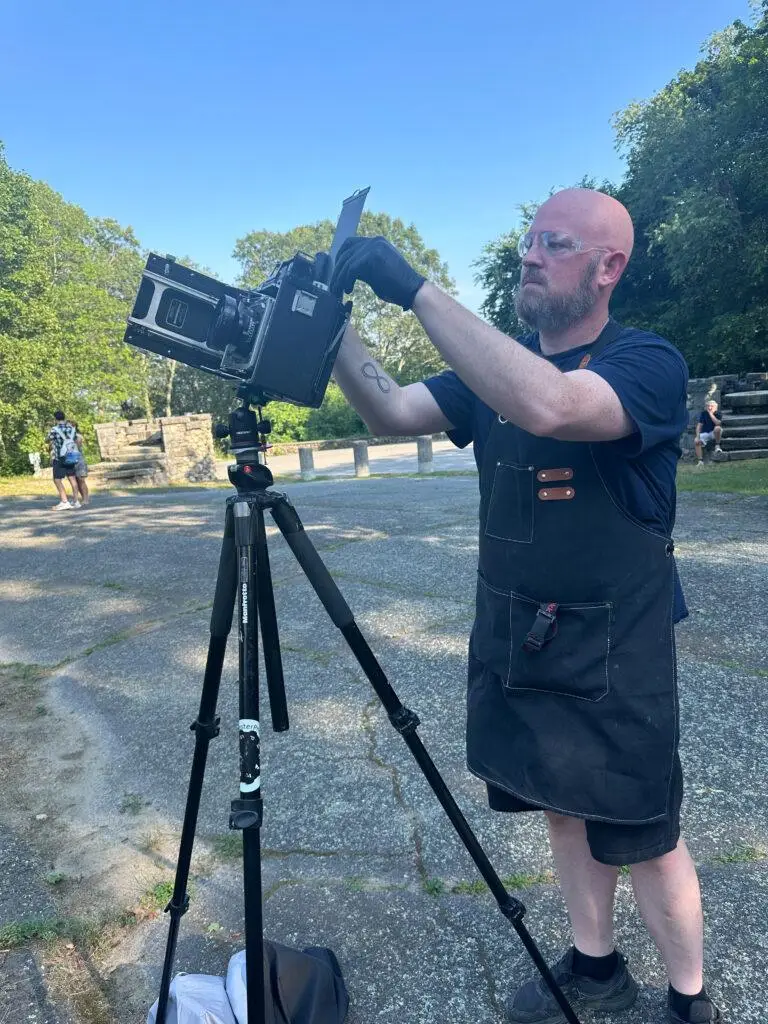
Patrick is an accomplished photographer whose work bridges the past and present. Through meticulous technique and a deep respect for photographic history, he creates singular images that capture the haunting beauty and tactile depth unique to the wet plate process. Each piece is hand-crafted, from the careful pouring of collodion to the final development, resulting in images that are as much artifacts as they are portraits. Patrick’s work invites viewers to slow down and appreciate the deliberate artistry and alchemy at the heart of early photography.

“Photography connects people. It captures our stories, our emotions, and the fleeting moments that make up a life. The ability to move people with an image — to make them pause, feel, and reflect — is my greatest joy and passion.”

Patrick C. Sullivan

The Process

From a clean plate to a finished image, in about fifteen minutes — every step done by hand, in front of you.

01

Coat

Pour collodion across a clean glass or aluminum plate, tilting until evenly covered.

02

Sensitize

Slip the wet plate into a silver nitrate bath. Three minutes turns it light-sensitive.

03

Expose

Load the plate-holder into the camera. Long exposure — usually several seconds.

04

Develop

Pour iron-based developer over the plate. The image emerges in front of you.

05

Varnish

Fix, wash, dry, and varnish with sandarac. The plate is now permanent — and yours.

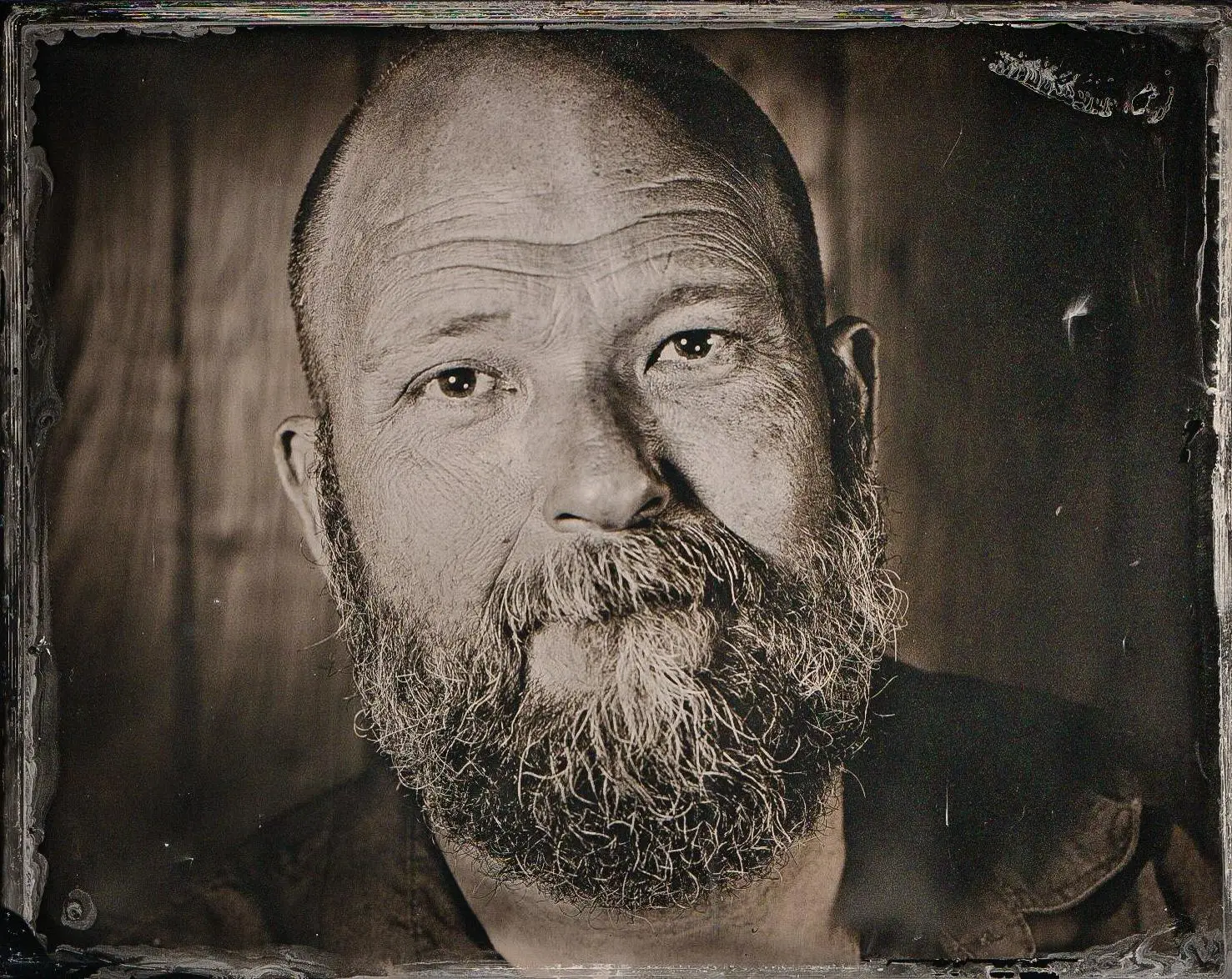
Tintype portrait — wet plate collodion by Patrick C. Sullivan

Singular Objects

Each plate is a one-of-a-kind physical artifact — there’s no negative, no print run. The image you see is the original sheet of glass or aluminum I sensitized for you. You take it home the same day.

Tintype portrait — wet plate collodion by Patrick C. Sullivan

The Process

Pour collodion across the plate, dip in silver, expose for several seconds, develop while still wet, fix, varnish. Every step happens by hand in front of you — usually in under fifteen minutes from blank plate to finished image.

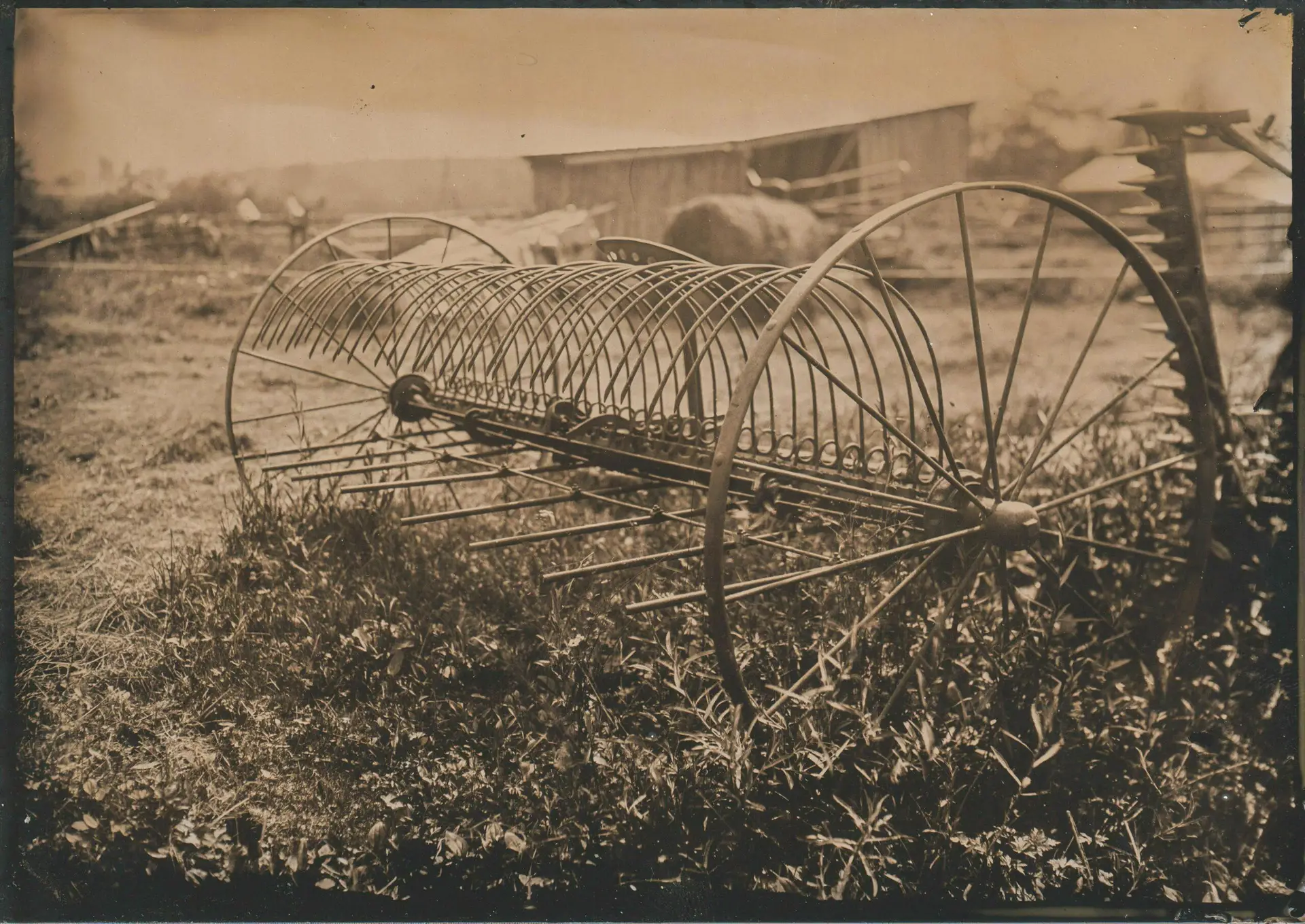
Wet plate portrait by Patrick C. Sullivan

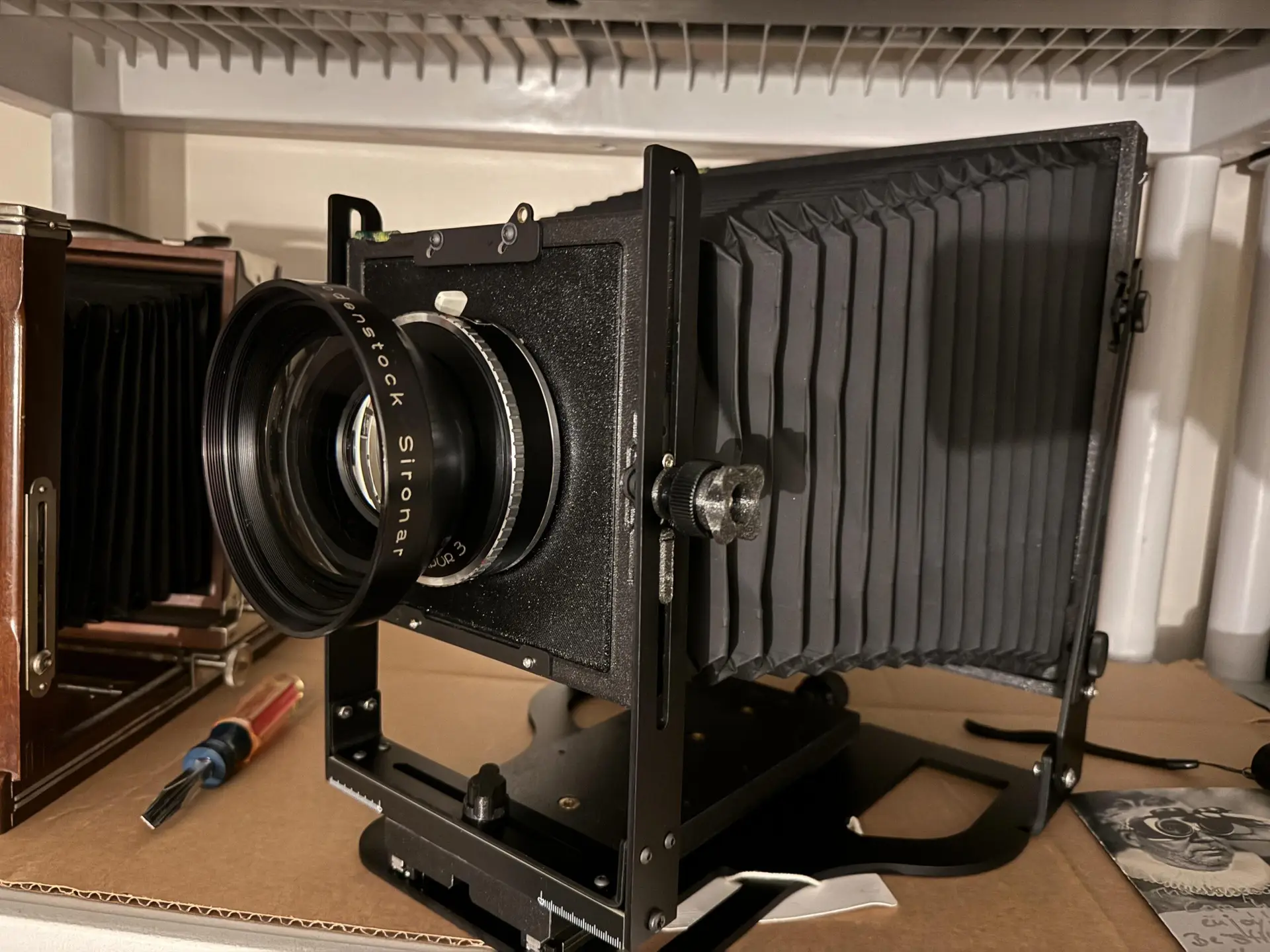
Some new with the old

While we love the chemical process and look of classic Tin Type photos we often use slightly more modern equipment. Although there are still quite a few cameras from the 1800's used in the studio.

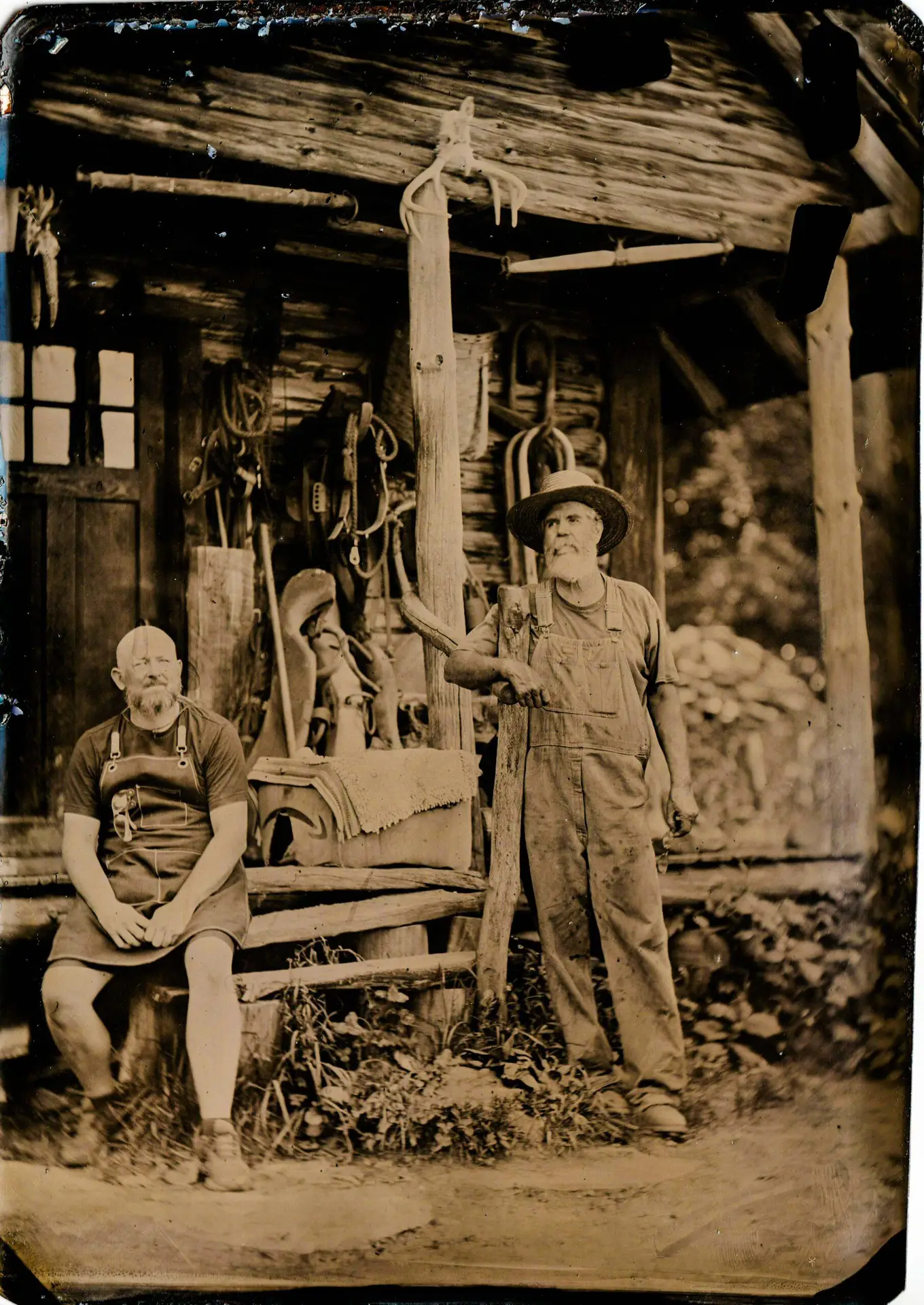
The collodion Legend

This wet plate was created at the home of renowned wet plate artist John Coffer, the man who breathed new life into the collodion process first born in 1851 through the work of Frederick Scott Archer. Time spent on John’s farm feels almost suspended. Where the modern world fades and the quiet magic of chemistry and light takes center stage. His workshops are not merely lessons but pilgrimages, guiding you to see beyond the surface of an image and into the soul of the process. It was there that I learned to slow my hands, trust the flow of silver, and embrace the imperfections that make each plate unique. That experience still echoes through my work, shaping every image as a quiet dialogue between past and present.

In Their Words

A few notes from people who have sat for a plate or attended a workshop.

“Quote from a real client about their session, the experience, and the finished plate goes here.”

— [Sample Client] — Studio Portrait

“Another quote — perhaps from someone who booked an on-location session for an event or wedding — goes here.”

— [Sample Client] — On-Location Session

“Third quote, possibly from a workshop attendee, about what they learned and the experience of the process.”

— [Sample Client] — Workshop